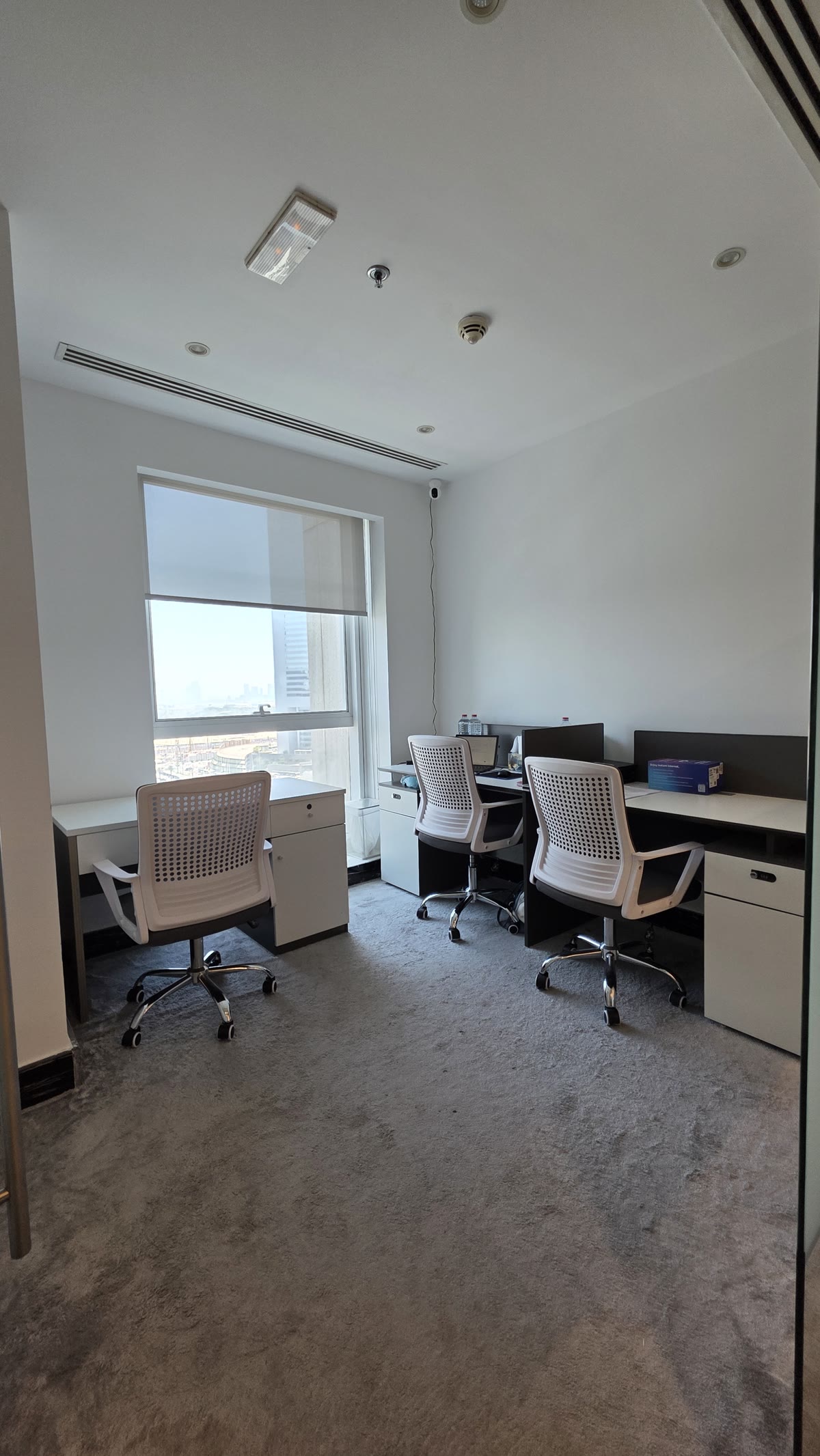
Begin with the intended activity
A commercial unit can be attractive and still be unsuitable for the business that intends to occupy it. Before comparing rent or purchase price, define the exact licensed activity, customer access, staff count, operating hours, storage, loading, power, parking, signage and any sector-specific approvals.
The property and the licence must work together. A landlord’s description or portal category does not prove that an authority, building manager or free-zone operator will permit the proposed use. Ask for written confirmation where the use is material.
Compare total occupancy cost
Headline rent is only one part of the cost. Build a dated schedule covering:
- rent, deposit, brokerage and registration;
- service charges, cooling, utilities and parking;
- design, fit-out, approvals and contractor deposits;
- furniture, technology, security and signage;
- reinstatement at the end of the lease; and
- the time and rent paid before the business can operate.
An apparently cheaper shell unit may require more capital and time than a compliant fitted alternative. Incentives and rent-free periods should be valued separately rather than used to hide the underlying rate.
Test the physical and operational evidence
Measure usable space, not only the marketed area. Review layout efficiency, access, lifts, fire and life-safety records, accessibility, loading, visitor flow and the condition of mechanical systems. Confirm what belongs to the landlord, what the tenant must maintain and which alterations require approval.
For a purchase, add title, service-charge history, vacancy, building management, capital works and competing supply. For a lease, review term, escalation, break rights, renewal, subletting, assignment, repair, insurance and reinstatement obligations with qualified legal support.
Use comparable evidence carefully
Dubai Land Department data can provide registered transaction and rental context. The strongest comparison is a genuinely similar unit in the same building or commercial cluster, adjusted for fit-out, floor, view, parking, frontage, use and lease terms. Asking prices show competition; they do not prove a completed transaction.
For an investor, model net income after vacancy, leasing cost, maintenance, management, service charges and capital expenditure. For an occupier, model the total cost and time required to become operational. Those are different decisions and should not be blended into one advertised yield.
Plan the exit before entry
Commercial liquidity depends on the next suitable occupier or buyer. Consider the number of businesses that can legally and practically use the space, typical reletting time, future supply and the cost of adapting the unit for another user.
A disciplined decision file records the intended use, authority questions, comparable evidence, full cost, legal conditions and downside case. Royal Abraj Group can coordinate the property and commercial brief; legal, technical, tax and licensing conclusions remain with the relevant qualified professional or authority.