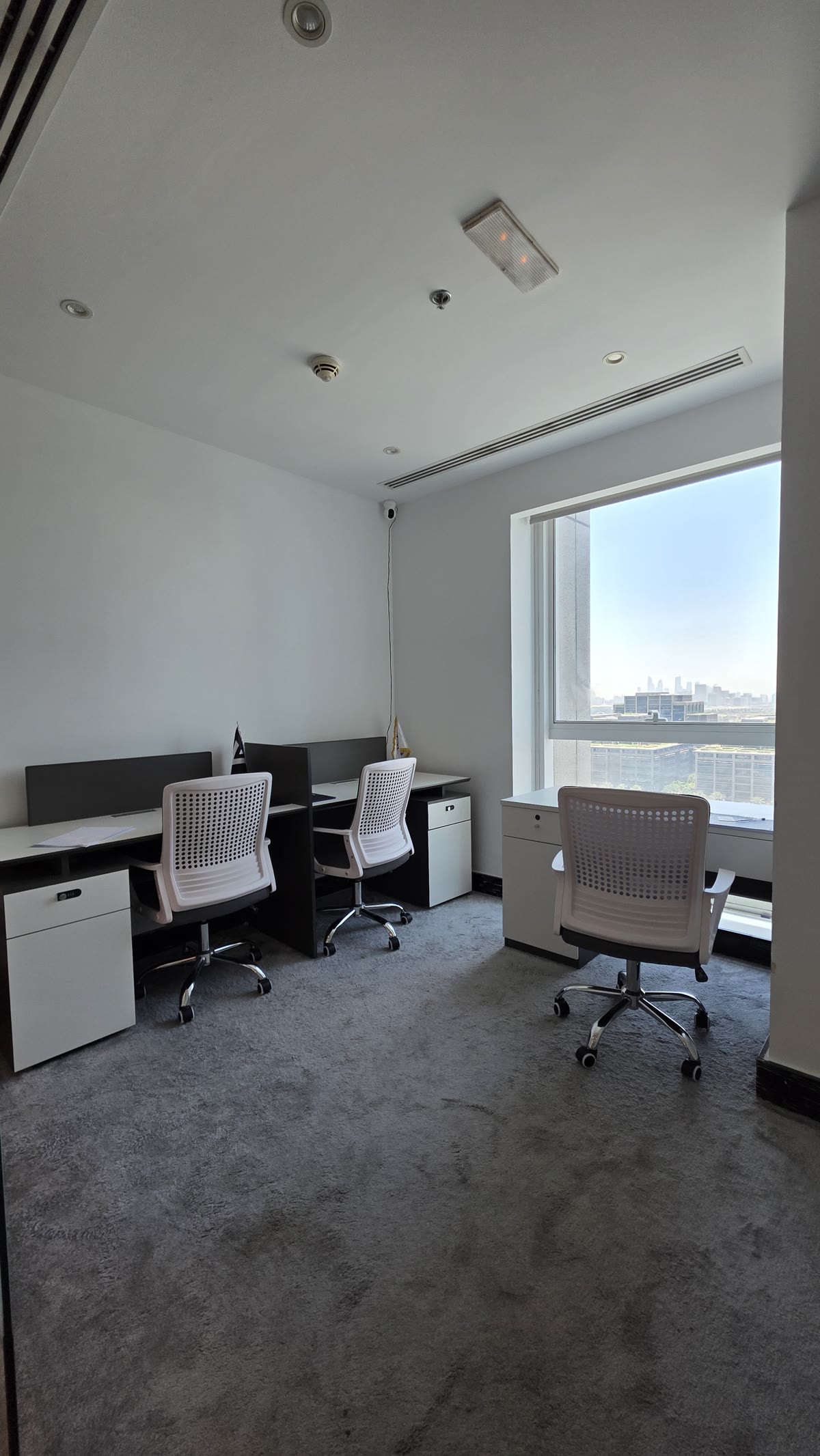
Treat the property as an operating asset
Owning a rental property creates recurring decisions: pricing, marketing, tenant checks, registration, deposits, maintenance, payment follow-up, renewal and exit. A manager should convert those duties into a documented process rather than contacting the owner only when a problem appears.
Define authority and scope
The management agreement should state who may advertise, negotiate, sign, receive funds, approve repairs and communicate with the tenant or building. Set spending limits, emergency rules, reporting frequency, fees, termination and document-return obligations. Confirm any licence or registration required for the work.
Set rent from evidence
Use registered and genuinely comparable evidence alongside current competition. Adjust for unit condition, furnishing, floor, view, parking, payment structure and lease term. The highest advertised rent can increase vacancy and reduce annual income.
Record the pricing recommendation, expected marketing period and approved negotiation range. Keep renewal or notice decisions aligned with current law and qualified advice.
Control tenant and payment records
Maintain identity and contact records, signed tenancy, registration, payment schedule, deposit, inventory, condition report, notices and correspondence. Protect personal data and limit access to people who need it.
Reconcile rent received, fees, expenses and owner transfers. The owner statement should allow each movement to be matched with a contract, invoice or receipt.
Plan maintenance
Create preventive tasks for cooling, plumbing, appliances, seals and other unit-specific systems. Use written quotations for material work and retain before-and-after evidence. Define what is an emergency and how access is authorised.
A reserve reduces pressure to postpone essential work. It also makes net-income forecasting more honest.
Measure net performance
Report gross rent, vacancy, leasing cost, management fee, maintenance, service charges, owner-paid utilities and capital replacement separately. Compare actual performance with the approved budget and explain variances.
Net income matters more than a high advertised rent. So do tenant experience, asset condition and compliance. Royal Abraj Group can provide licensed leasing brokerage and, when requested, coordinate an introduction to a separately appointed independent management provider. Legal tenancy questions and regulated conclusions should be referred to qualified professionals or the responsible authority.